※本ページはプロモーションが含まれます
Disclosure: This post contains affiliate links. If you buy through them, we may earn a commission at no additional cost to you. Learn more.
Right now, the “correct” answer to who’s the best Leader in One Piece Card Game depends on who you ask. Meta-tracking sites like OnePiece.gg have Purple Enel, Blue/Green Monkey D. Luffy, and Purple/Yellow Rosinante sitting comfortably in Tier 1 for the current OP-16 + ST-30 Standard format. But walk into an actual Regional this summer and you’ll see a different story — Blue/Black Sakazuki (a leader from 2023’s OP-05) and Black Gecko Moria (OP-14) have been quietly stomping the Swiss rounds and top cutting events that “should” belong to the new hotness. Both things are true at once, and that gap is the most useful thing to understand about the meta this month.
This is a genuinely competitive scene worth tracking closely: per TCGplayer’s Q2 2026 seller data, One Piece Card Game has now outsold at least one “Big Three” TCG (Magic, Pokémon, or Yu-Gi-Oh!) for three consecutive quarters, and Regionals are drawing four-figure attendance (Bielefeld pulled 1,541 players on July 4, Wolverhampton drew 1,007 on July 18-19). This isn’t a niche import curiosity — it’s a mainstream, high-stakes format with real prize support and a fast-moving power ranking.
As of August 12, 2026, here’s the tier list, based on both OnePiece.gg’s tracked win-rate data (published July 7, 2026, 50+ game samples) and real Regional top-cut results pulled from Limitless One Piece.
The Current Format: OP-16 + ST-30
Japan’s newest main set, The Time of Battle (OP-16), released May 30, 2026 in Japan and June 12, 2026 in English — cards become tournament-legal seven days after each region’s official release. It’s a Marineford/Impel Down-themed set built around the Paramount War, and it’s historically significant for the game: OP-16 is the first set to include three Manga Rares in a single release (the three Admirals — Kuzan/Aokiji, Sakazuki/Akainu, and Borsalino/Kizaru), plus one Treasure Rare and two Secret Rares. It also introduced six brand-new Leaders: Portgas D. Ace, Monkey D. Luffy, Buggy, Sengoku, Yamato, and Marshall D. Teach.
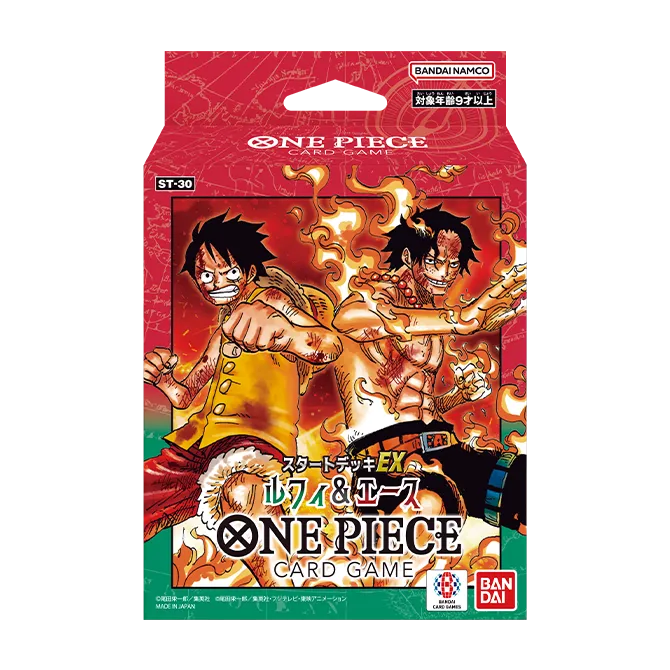
Alongside it, Starter Deck EX – Luffy & Ace (ST-30) added a new Red/Green Luffy & Ace fusion Leader.
One thing to get straight before reading any tier list written earlier than this spring: Standard no longer goes back to OP-01. On April 1, 2026, the game got its first-ever rotation, and Block 1 — OP-01 through OP-04 plus the earliest Starter Decks — dropped out of Standard. The current Standard pool starts at OP-05 and runs forward through OP-16 and ST-30. Rotated cards aren’t dead: they remain fully legal in the separate Extra Regulation format, which allows everything ever printed. Because the Block Number is printed on the card itself, a Block 1 card that was later reprinted into a newer product can still be Standard-legal — read the icon on the card in your hand, not the set it originally came from. Our 2026 ban list guide breaks down the block-by-block detail.
Usefully for this tier list, rotation didn’t touch it: every Leader below is OP-05 or newer, so the whole list is Standard-legal as of August 2026 (older format-specific banned/restricted cards aside).
Tier 1: The Numbers Leaders
These are the Leaders OnePiece.gg’s tracker has posted the highest sustained win rates for across a large sample of ranked and tournament games.
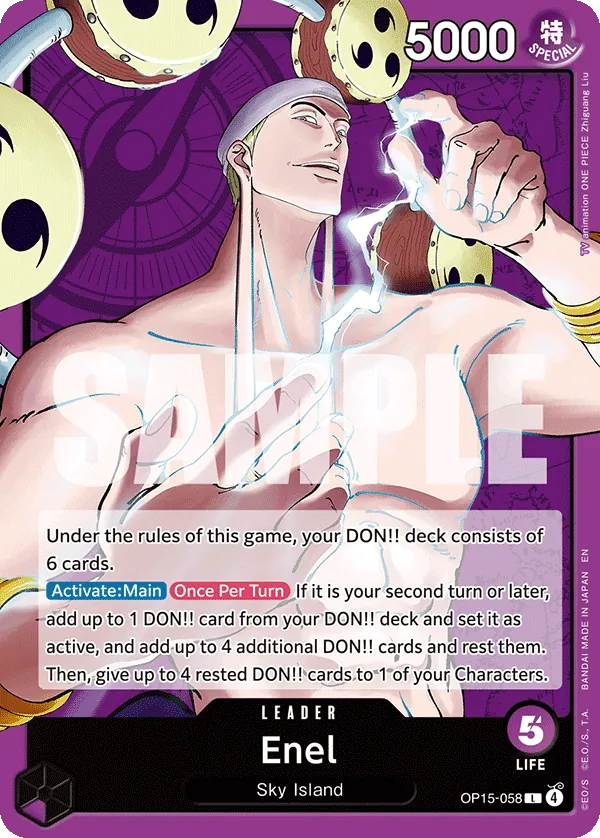
Enel (Purple, OP-15 — Adventure on Kami’s Island) — 69.6% win rate over 50+ tracked games. Enel’s Leader ability restricts his own DON!! deck to 6 (instead of the usual 10), which sounds like a drawback but fuels an explosive, tempo-focused combo engine most decks can’t keep pace with early. Downside: the deck is unforgiving to pilot — misplay the DON!! restriction and you’re just playing a worse deck, which is part of why it hasn’t fully taken over paper Regionals the way its win-rate suggests it should.
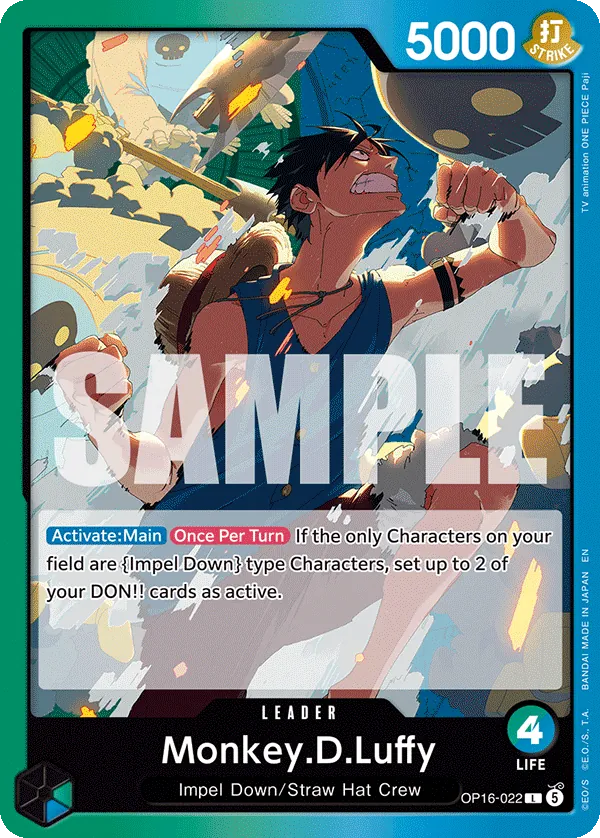
Monkey D. Luffy (Blue/Green, OP-16) — 72% win rate, the highest tracked figure in the format. Aggressive early pressure backed by a 1-cost event that clears the board and restand effects that let him swing twice. Downside: it’s a glass-cannon aggro plan — stumble on curve or run into a dedicated Blocker wall (like Rosinante below) and the deck has little late-game to fall back on.
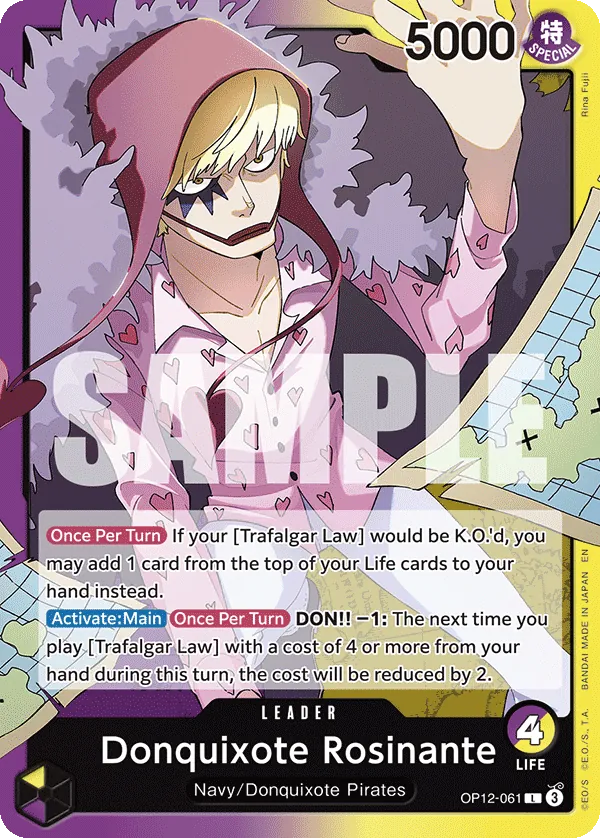
Rosinante (Purple/Yellow, OP-12 — Bond Between Master and Disciple) — 66% win rate. Consistent piece-finding, strong Blockers, and real late-game finishers make this one of the more “complete” decks in the format, and its OP-12 origin means singles and sealed product are far cheaper than newer chase Leaders.
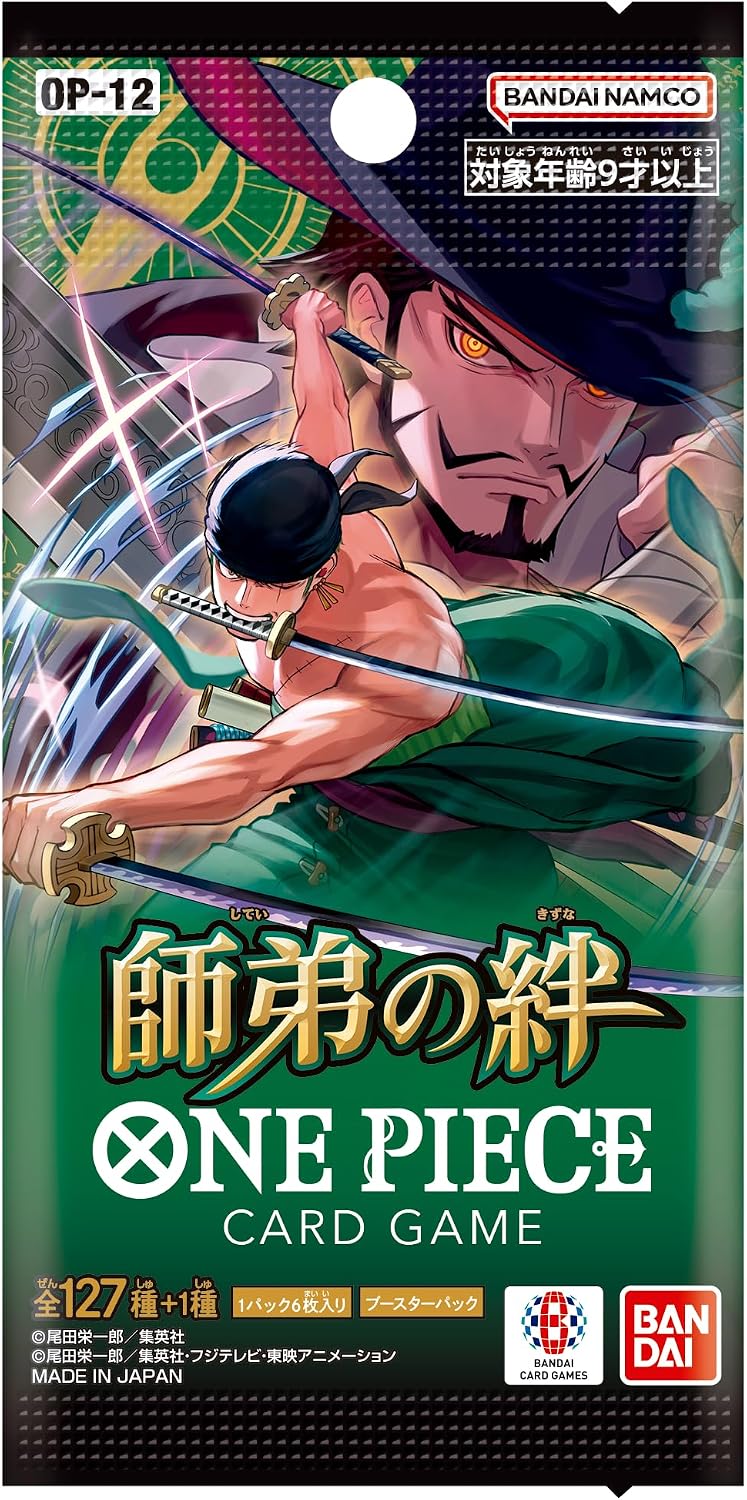
You can find a real, current listing for BANDAI ONE PIECE Card Game — Bond Between Master and Disciple (OP-12) Booster Box through Discovery Japan Mall — it ships real Japanese-print product internationally, and at roughly ¥13,392 (about $90 at typical August 2026 exchange rates), it’s the most affordable route into a Tier 1 Leader in this format.

Tier 2: Solid, Not Broken
Tier 2 in this format is deep and legitimately playable — this isn’t a “everything but the top 3 is trash” situation.
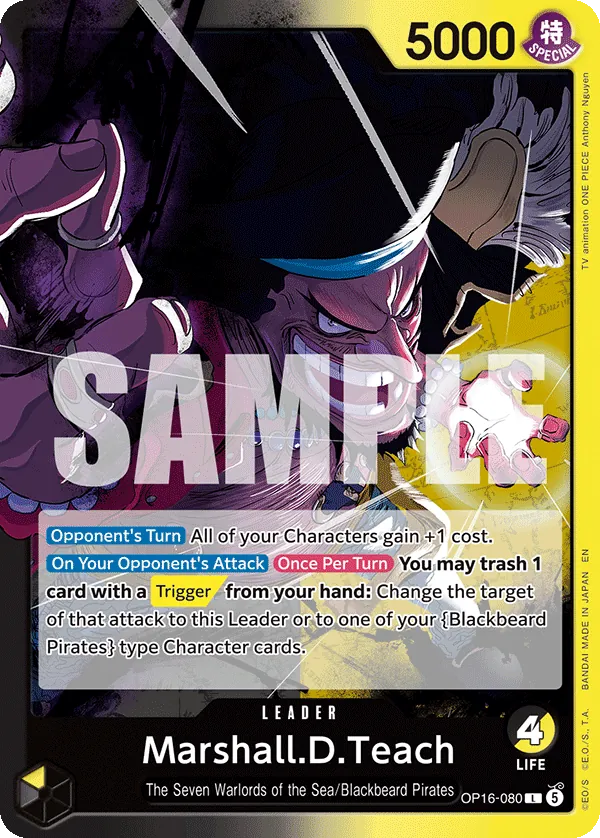
- Marshall D. Teach (Black/Yellow, OP-16) — 67.1% win rate over 70+ games; trigger-focused control with strong attack redirection.
- Nami (Blue/Yellow, OP-11) — 64.7%; resource cycling and life-total manipulation that keeps getting better with each new release.

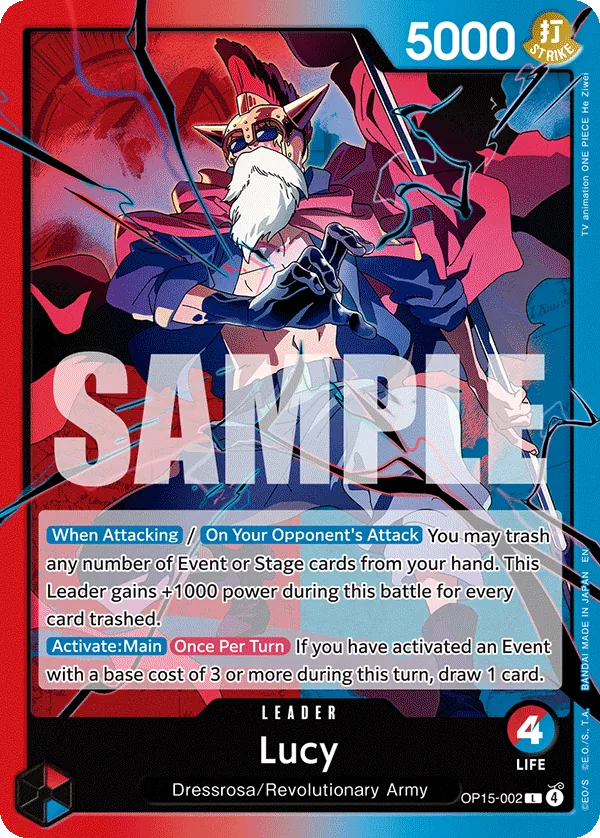
- Lucy/Monkey D. Luffy (Red/Blue, OP-15) — 65.1%; a flexible reactive-or-proactive plan with a built-in card-draw engine.
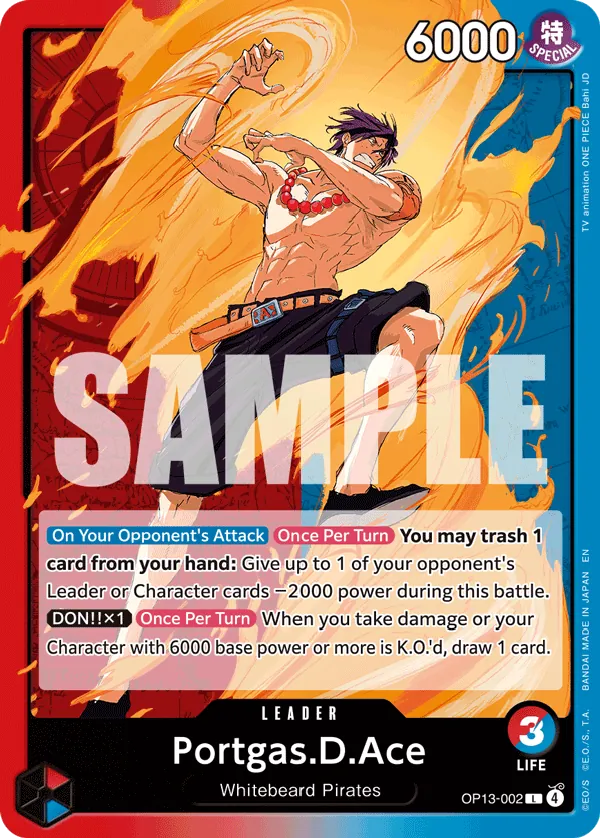
- Portgas D. Ace (Red/Blue, OP-13 — Carrying On His Will) — 60% over a huge 90+ game sample, valued for a “straightforward game plan and exceptional built-in resiliency” rather than raw power.
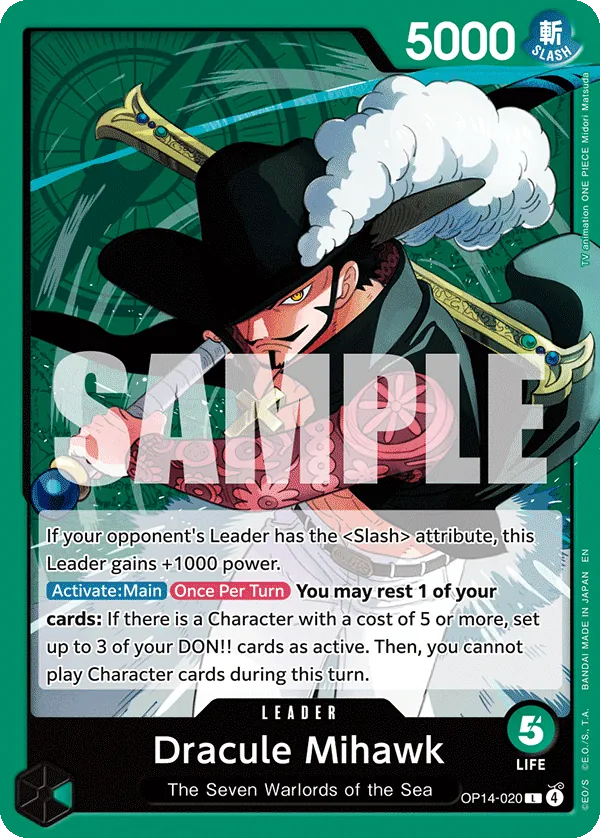
- Dracule Mihawk (Green, OP-14), Yamato (Black, OP-16), Sengoku (Purple, OP-16), and Monkey D. Luffy (Red/Green, OP-13) round out the tier with narrower but real niches.
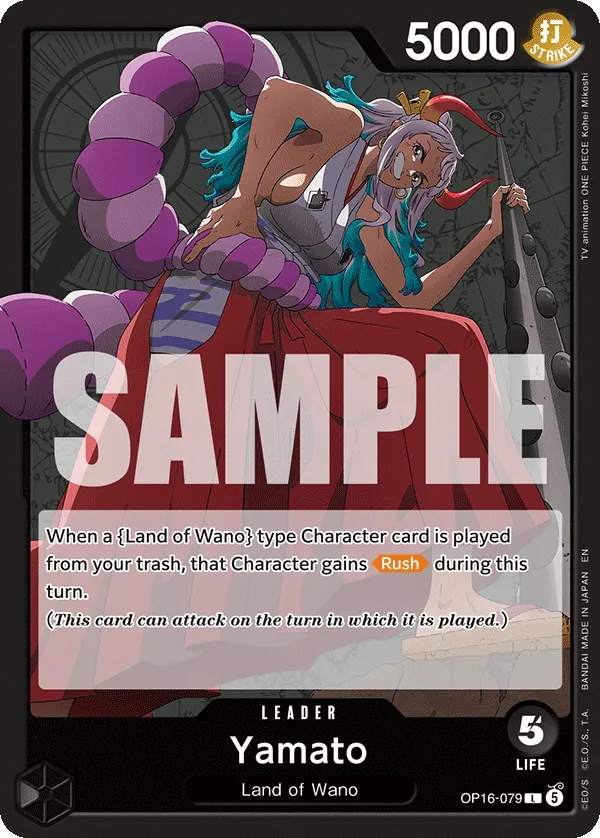
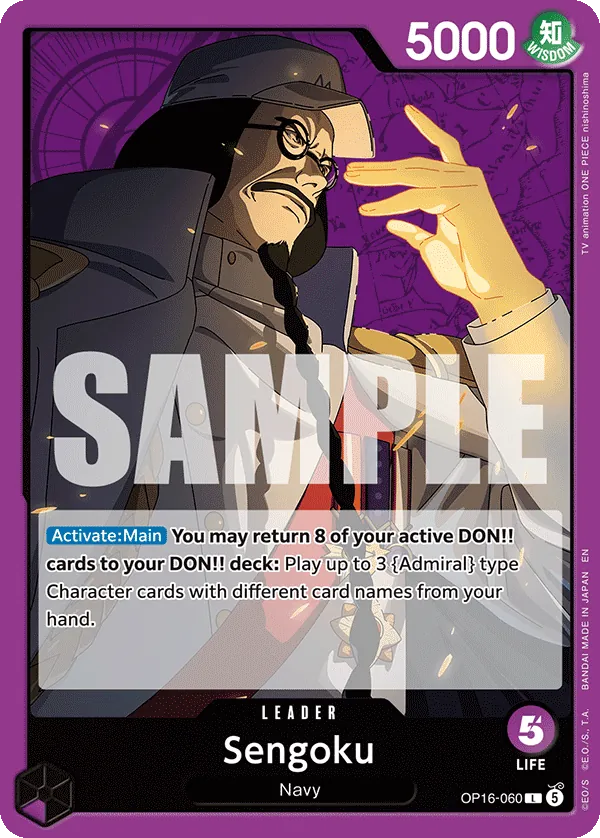
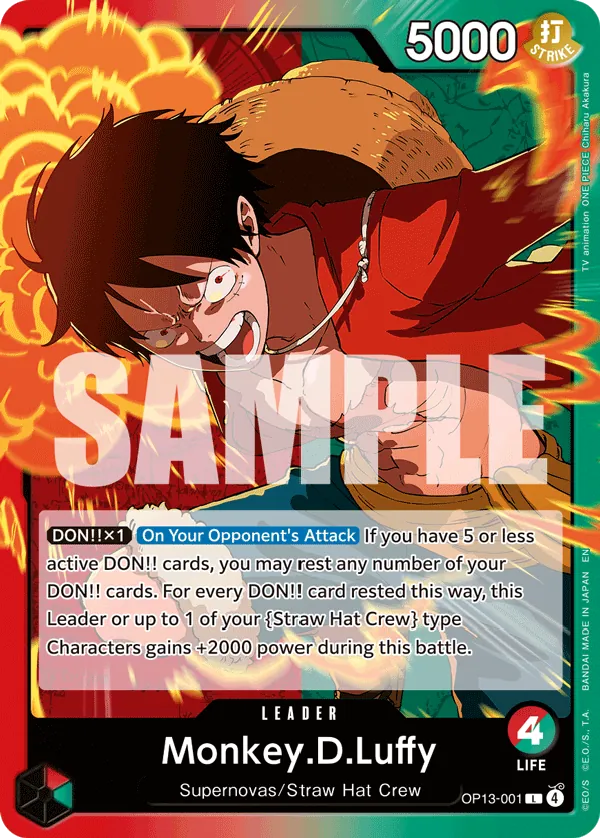
Both OP-13 Leaders above come from Carrying On His Will (OP-13), the game’s 3rd Anniversary set focused on the Luffy/Ace/Sabo brothers. You can find it here: BANDAI ONE PIECE Card Game (OP-13) Booster Box. Fair warning: anniversary sets carry an anniversary-set price tag — this one runs roughly ¥40,918 (~$270) per box, noticeably steeper than a standard OP release, largely because of its Special/Secret Rare chase cards.

Mihawk’s home set, The Azure Sea’s Seven (OP-14), is available here: BANDAI ONE PIECE Card Game (OP-14) Booster Box, running about ¥12,127 (~$81) — one of the cheaper boxes on this list.

What the Tier Lists Miss: What’s Actually Winning Regionals
Here’s the part a static tier list can’t capture: paper tournament results this summer have skewed toward two Leaders that don’t even appear in OnePiece.gg’s Tier 1-3 breakdown.
At Regional Wolverhampton (July 18-19, 2026, 1,007 players), the Top 8 was led by winner Arman Haji-Ghassemi on Blue/Black Sakazuki, with three of the eight seats going to Sakazuki and four more to Black Gecko Moria. That’s seven of eight Top 8 slots split between two Leaders that are, respectively, three years old (Sakazuki, OP-05) and one set old but built around a graveyard-recursion plan rather than the flashy new synergies (Moria, OP-14).
- Sakazuki (Blue/Black, OP-05 — New Era Protagonist) has been a top-tier control Leader since the set’s original 2023 release, built around a Rob Lucci/Rebecca engine that discounts and removes opposing Characters. Downside: it’s a demanding, high-skill-ceiling pilot’s deck, and because the box is out of print, sealed OP-05 boxes now run a genuinely steep premium — the listing we found prices a box at roughly ¥60,621 (~$400), reflecting both scarcity and its renewed competitive relevance. If you’re chasing this specific Leader, expect to be buying singles rather than opening boxes for value. Here’s the box for anyone chasing the anniversary parallel art regardless: BANDAI ONE PIECE Card Game — New Era Protagonist (OP-05) Booster Box.


- Gecko Moria (Black/Yellow, OP-14) knocks out his own Thriller Bark Pirates to buff his board, then reuses “lost” Characters via graveyard recursion — the same OP-14 box linked above in the Tier 2 section doubles as Moria’s home set.

The takeaway: tier lists built on aggregated ranked-ladder data are a genuinely useful signal, but they lag behind what skilled players figure out how to break in specific regional metas. If you’re building a deck to actually compete, cross-reference a site’s win-rate tier list against recent real Regional Top 8s (Limitless One Piece’s tournament database is the best free source for this) rather than trusting either one alone.
Falling Stars and Dark Horses
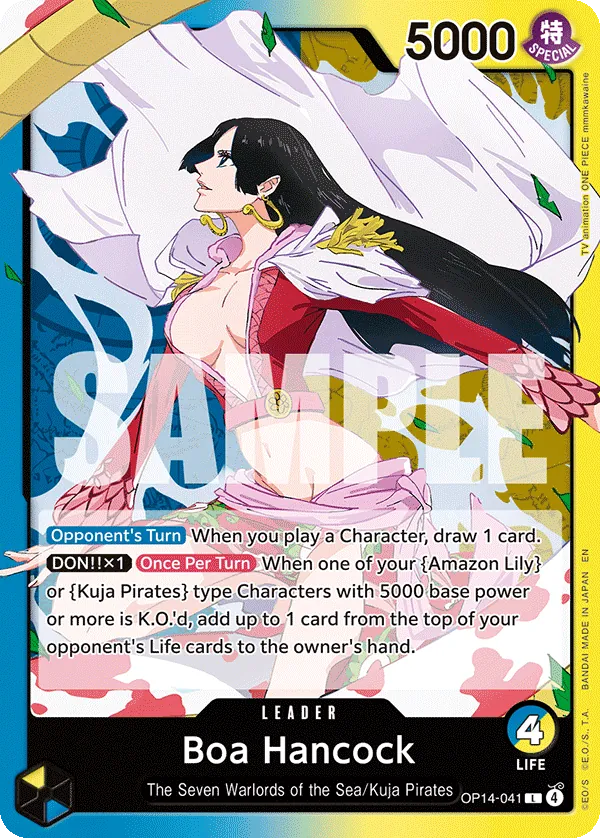
Not every Leader trends up. Boa Hancock (Blue/Yellow, OP-14) was a dominant Tier 1 pick earlier in 2026 before targeted nerfs to her support cards (and a shift in the broader meta) knocked her down to a niche pick — a good reminder that Leaders built around one or two specific enabler cards are inherently banlist-vulnerable, and a strong deck today can be a middling one after the next set’s power creep or a card-specific errata. Kalgara (Yellow, OP-08), meanwhile, remains an aggressive tempo option that “struggles to keep pace” with the format’s current top decks — fine for budget or casual play, not a serious Regional pick right now.

Comparison Table
| Leader | Colors | Home Set | Current Tier | Approx. Box Price (Aug 2026) |
|---|---|---|---|---|
| Monkey D. Luffy | Blue/Green | OP-16 | Tier 1 (72% WR) | Not yet stocked by Discovery Japan Mall |
| Enel | Purple | OP-15 | Tier 1 (69.6% WR) | Varies by retailer |
| Rosinante | Purple/Yellow | OP-12 | Tier 1 (66% WR) | ~¥13,392 (~$90) |
| Marshall D. Teach | Black/Yellow | OP-16 | Tier 2 (67.1% WR) | Not yet stocked by Discovery Japan Mall |
| Portgas D. Ace | Red/Blue | OP-13 | Tier 2 (60% WR) | ~¥40,918 (~$270) |
| Dracule Mihawk | Green | OP-14 | Tier 2 | ~¥12,127 (~$81) |
| Sakazuki | Blue/Black | OP-05 | Untracked in Tier 1-3, but Top 8-dominant at Wolverhampton | ~¥60,621 (~$400, OOP premium) |
| Gecko Moria | Black/Yellow | OP-14 | Untracked in Tier 1-3, but Top 8-dominant at Wolverhampton | ~¥12,127 (~$81) |
| Boa Hancock | Blue/Yellow | OP-14 | Dark Horse (post-nerf) | ~¥12,127 (~$81) |
| Kalgara | Yellow | OP-08 | Dark Horse | Available via Discovery Japan Mall |
Prices above are approximate, pulled from a single listing’s JPY price as of this writing and converted at roughly ¥150/$1 — actual cost will shift with currency rates, shipping, and stock. This isn’t financial advice; card and sealed-product prices move fast, so treat these as a snapshot, not a guarantee.
FAQ
Is Tier 1 always the “best” Leader to buy into?
Not necessarily. Tier 1 status reflects tracked win rates on ranked ladders and larger tournament samples, but as the Wolverhampton results above show, real paper Regionals can be won by Leaders sitting outside the official Tier 1-3 breakdown entirely. Pick a Leader you’ll enjoy piloting and that fits your budget — a well-played Tier 2 deck beats a poorly-played Tier 1 deck almost every time.
Do I need brand-new OP-16 cards to compete right now?
No. Half of the current Tier 1-2 list (Rosinante, Nami, Mihawk, both OP-13 Leaders) comes from sets that are a year or more old. Since the April 1, 2026 rotation, Standard starts at OP-05 rather than OP-01 — but every Leader on this list is OP-05 or newer, so a budget deck built around an older Leader like Rosinante (OP-12) or Kalgara (OP-08) is completely legal and, in Rosinante’s case, still Tier 1. What you can’t do anymore is build a Standard deck around an OP-01 to OP-04 Leader; those are Extra Regulation only now.
Is a Leader like Enel or Sakazuki at risk of getting nerfed?
It’s possible — Bandai has issued targeted errata and banlist changes before (Boa Hancock’s fall from Tier 1 dominance earlier this year is a direct example), usually aimed at whichever Leader or support card is warping the format hardest. If you’re buying singles specifically to chase a hot Leader, factor in that risk rather than treating today’s tier list as permanent.
Where can I buy real Japanese-print booster boxes safely?
Stick to retailers that show actual product photos, list a set code (OP-XX), and don’t sell suspiciously below MSRP — counterfeit sealed product and “hand-picked” resealed boxes are a real risk on marketplaces with no seller accountability. Discovery Japan Mall ships genuine BANDAI-printed Japanese boxes internationally and lists set codes directly in the product title, which makes it easy to confirm you’re getting the actual set you want.
Is the Japanese (East) meta the same as the English (West) meta?
Not exactly, and that’s worth knowing before you copy a Japanese decklist wholesale. OnePiece.gg tracks East and West tier lists separately because the English release schedule runs roughly three months behind Japan’s, so West-format decks sometimes have to work around a card that hasn’t been released in English yet. Always double check which region’s tier list you’re reading.
Takeaway
The safest way to read any One Piece Card Game leader tier list — including this one — is as a starting point, not gospel. Enel, Blue/Green Luffy, and Rosinante are legitimately strong by the numbers, but Sakazuki and Gecko Moria’s Top 8 runs at Wolverhampton prove the paper meta still has room for older, cheaper Leaders to punch above their tier-list weight. If you’re new to competitive play, our beginner’s guide to starting One Piece Card Game walks through starter decks and rarities before you commit to a Regional-caliber build.
Related Articles
More Trading Card Game Guides
- Pokémon TCG Standard Tier List: July 2026 Meta Guide (Pokémon TCG)
- Dragon Ball Fusion World Leader Tier List (Aug. 2026) (Dragon Ball Super Card Game)
- Naruto Card Game Leader Cards: Who’s Likely to Get One? (Naruto Card Game)
Comments