※本ページはプロモーションが含まれます
Disclosure: This post contains affiliate links. If you buy through them, we may earn a commission at no additional cost to you. Learn more.
Short answer: grade a One Piece Card Game card only if it’s a genuinely chase-worthy pull — a Manga Rare, a high-demand Alternate Art, a Leader parallel, or a Secret Rare — and only if a raw Gem Mint copy is already worth roughly three times what grading costs. Below that line, submission fees, shipping, and marketplace cuts will eat your profit before you ever list the slab. Here’s how PSA, BGS, and CGC actually compare on price, turnaround, and resale in August 2026, plus which specific card types are worth the gamble.
- Is grading One Piece cards worth it at all?
- What actually makes a One Piece card grade-worthy
- PSA: the liquidity king, currently running slower than usual
- BGS: subgrades and Black Label prestige, but limited availability
- CGC: the value play, if you can live with a resale discount
- Grader comparison at a glance (as of August 2026)
- Buying cards worth grading — start from sealed product
- FAQ
- Takeaway
- More Trading Card Game Guides
Is grading One Piece cards worth it at all?
For most One Piece Card Game (OPTCG) product, no — commons, uncommons, and even most straight Rares (R) and Super Rares (SR) simply don’t carry enough raw-to-graded spread to justify a $20–$80 grading fee plus shipping both ways. The math only works for cards where a PSA 10 or CGC 10 sells for a large multiple of a well-kept raw copy: Manga Rares, sought-after Alternate Arts (marked with a small star above the rarity code since OP-04), Leader parallels, and Secret Rares (SEC) from popular sets.
A useful rule collectors use: if the realistic Gem Mint value doesn’t clear about 3x your all-in grading cost, skip it. At PSA’s current Regular tier ($79.99/card as of this writing), that means the card needs a plausible graded value north of roughly $240 before submission even makes sense once you factor in eBay/TCGplayer fees, shipping insurance, and the risk of coming back a 9 instead of a 10.
Downside to flag up front: One Piece cards are notoriously hard to grade at the top. Bandai’s dark, saturated borders show edge whitening far more readily than a white-bordered Pokémon or Magic card, and print lines, holo scratching, and off-center cuts are common across Japanese print runs. PSA tightened its centering standard for Gem Mint 10 to 55/45 (front) in early 2025, which only made 10s harder to hit. That’s good news for the scarcity of existing PSA 10 populations, but bad news for your odds if you’re submitting a card you haven’t personally scrutinized under a loupe.
What actually makes a One Piece card grade-worthy
- Manga Rares. These use black-and-white panel art straight from Eiichiro Oda’s original manga pages, framed around a full-color character illustration. They’re brutally scarce — roughly one per sealed case (12 booster boxes), or about 1 in every 288 packs — which is exactly the kind of low-pop, high-demand card that supports a meaningful PSA 10 premium.
- Alternate Arts (marked with a star above the rarity letter). Not every alt art is worth grading — check recent raw sales first — but chase alt arts of major characters (Luffy, Shanks, Nami, Zoro) from popular sets routinely justify it.
- Leader Alternate Arts / Parallels. Leaders anchor a deck’s entire identity, so competitively relevant Leaders with alt-art treatments tend to hold value even outside the meta.
- Secret Rares (SEC). Each set typically has only one or two SEC slots, with full-art treatments and premium foil that separate them visually from a standard SR.
Timely example, with a caveat: OP-17 “The World’s Strongest Warriors,” the game’s 4th Anniversary set, releases in Japan on August 22, 2026 (EN wide release August 28) and introduces Treasure Rare (TR) — a brand-new rarity slotted above Secret Rare, with only one TR per set. Early Japanese tracker chatter has also floated a “Pirate Crew Super Parallel” tier and enormous speculative resale numbers for the chase Emperors cards. Treat all of that as pre-release hype for now — there’s no real population data, no confirmed English print run behavior, and no track record of how these grade until copies are actually in graders’ hands after the set drops.
PSA: the liquidity king, currently running slower than usual
PSA remains the default choice for resale because PSA 10 slabs move fastest on eBay and TCGplayer and command the biggest buyer pool. But 2026 has been a rocky year for PSA’s service tiers. As of this writing, PSA has paused its entire Value service line (the cheaper $32.99/$49.99/$64.99 tiers) since June 2, 2026 while it works through a backlog, leaving Regular at $79.99/card (about 25 business days) as the cheapest tier you can actually order directly. Faster options remain available: Express at $149 (about 15 business days), Super Express at $299, and Walk-Through at $599 (around 2 business days).
Downside: you’re paying a real premium just to get in the door right now, and turnaround estimates have historically slipped during peak submission periods (like right after a hyped set such as OP-17 releases).
BGS: subgrades and Black Label prestige, but limited availability
Beckett Grading Services (BGS) grades four subcomponents — centering, corners, edges, surface — separately, then produces a composite grade. A rare quad-10 across all four earns the coveted Black Label, which can sell for a large multiple of a standard 10. The clearest real-world proof of that ceiling: a BGS Black Label copy of a Kaido trophy/prize card reportedly sold for $111,020 — an extreme outlier from a one-of-a-kind tournament prize card, not something to expect from a retail pull, but proof of how much a perfect BGS grade can matter on the right card.
Published BGS rates run from Base at roughly $14.95–$17.95/card (75+ business days) up to Priority at $124.95 (about 5 business days), with Standard ($34.95, ~45 days) and Express ($79.95, ~15 days) in between.
Downside: as of early August 2026, Beckett has paused new online Base and Standard submissions while it processes a backlog and expands capacity, with reopening targeted for mid-September 2026. Only the pricier Express and Priority tiers are currently taking new orders, and BGS-graded OPTCG cards still sell to a noticeably smaller buyer pool than PSA on the secondary market — a real drag on liquidity even for a strong grade.
CGC: the value play, if you can live with a resale discount
CGC is the newest major player in One Piece grading and it shows in the pricing: tiers run from roughly $17–$20/card at the Bulk/Economy level up to Standard ($55, ~10 business days), Express ($100, ~5 business days), and WalkThrough ($300, ~2 business days), as of turnaround estimates listed August 2026. CGC’s clear, edge-to-edge slabs show off One Piece’s foil and full-art treatments well, and its top “Pristine 10” (Gold Label) is a legitimate rival to BGS Black Label prestige.
Downside: a CGC Gem Mint 10 typically sells for about 15–25% less than a PSA 10 of the same card on the open market, since PSA’s brand recognition still dominates buyer search behavior. CGC makes the most sense for cards you’re grading to protect and display rather than flip immediately, or for mid-value cards where PSA’s current $79.99 floor doesn’t pencil out.
Grader comparison at a glance (as of August 2026)
| Grader | Entry-level price | Entry turnaround | Fastest tier | Best known for | Resale liquidity for OPTCG |
|---|---|---|---|---|---|
| PSA | $79.99 (Regular; Value tiers paused) | ~25 business days | Walk-Through, $599, ~2 days | Market benchmark, fastest resale | Highest |
| BGS | ~$79.95 (Express; Base/Standard paused) | ~15 business days | Priority, $124.95, ~5 days | Subgrades, Black Label prestige | Smaller buyer pool |
| CGC | ~$20 (Economy) | ~90 business days | WalkThrough, $300, ~2 days | Cost efficiency, clear slabs | Growing, but 15–25% resale discount vs. PSA |
Prices, tiers, and turnaround estimates change often at all three companies — confirm current numbers directly on psacard.com, beckett.com, and cgccards.com before submitting, and remember this table is a snapshot, not a guarantee.
Buying cards worth grading — start from sealed product
The safest way to get a grade-worthy Manga Rare or alt art is to pull it yourself from sealed Japanese product rather than buying an already-graded slab or a loose raw card online, where counterfeit and altered/reslabbed cards are a real risk in this hobby. A few sealed options worth knowing:
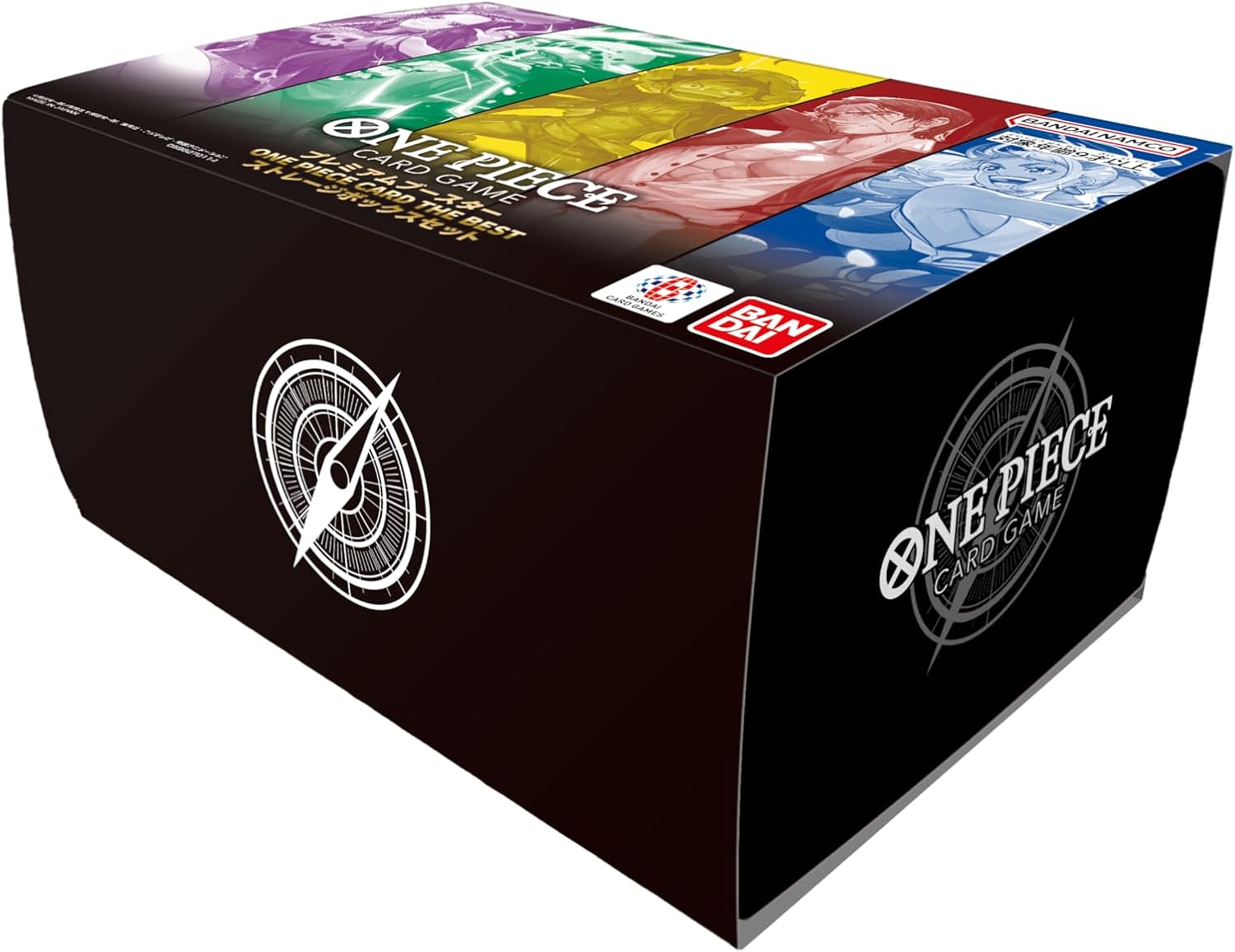
- The ONE PIECE CARD THE BEST Premium Booster Storage Box Set is built specifically around manga-style reprints (PRB-01), making it one of the more direct ways to chase Manga Rare-style pulls without hunting a full case of a mainline set.
- The EB-02 Extra Booster Anime 25th Collection Booster Box is an anniversary Extra Booster with a high concentration of alternate-art and parallel treatments across classic characters — good hunting ground for grade candidates, though EB sets carry their own SR/SEC odds separate from mainline OP sets, so check current pull-rate breakdowns before assuming case-hit math applies.

- For mainline-set alt arts and Leaders, the OP-06 Twin Champions Booster Box (2 SEC, 10 SR, 6 Special slots per the official ratio) is a solid, still-available example of a standard set with real chase pulls.

Downside: even sealed product is not a guarantee — booster box pull rates mean most boxes will not contain a Manga Rare, and buying sealed doesn’t protect you from simply pulling a card with a print line that caps out at a 9 anyway. Budget for that reality rather than assuming every box pays for itself.
If you’re deciding between grading your own pulls versus just buying sealed to open, our booster box vs. starter deck breakdown covers the raw economics of opening product by goal. And if you want a deeper look at which specific OP-16 cards are already commanding real graded premiums, see our OP-16 The Time of Battle set review.
FAQ
Is it worth grading a One Piece card that’s only worth $20–$30 raw?
Generally no. Grading fees alone (roughly $20 at CGC’s cheapest tier, up to $79.99+ at PSA’s current floor) plus shipping and marketplace fees will typically exceed any premium a low-value card picks up from being slabbed. Reserve grading for Manga Rares, chase alt arts, Leader parallels, and SECs where the graded value realistically clears 3x your cost.
Does it matter if my One Piece card is the Japanese or English print?
All three graders accept Japanese-language OPTCG cards without issue — it’s the default language for early sets and remains common today. What matters more is condition: Japanese print runs are known for centering and print-line issues, so inspect closely before submitting regardless of language.
Which grading company sells for the most on resale?
PSA generally commands the highest resale price and fastest sell-through for One Piece cards today, followed by BGS (especially for Black Label pulls) and then CGC, which typically trades about 15–25% below an equivalent PSA grade. That gap can narrow over time as CGC’s OPTCG population grows.
How long will my card actually take to come back?
It varies a lot by tier and by how backed up each company currently is. As of August 2026, PSA’s cheapest available direct tier (Regular) runs about 25 business days, BGS’s available tiers (Express/Priority, since Base/Standard are paused) run 5–15 business days, and CGC ranges from about 5 business days (Express) to 90+ (Economy). Always check the company’s live turnaround page before submitting, since these estimates shift with submission volume.
Where can I buy real Japanese One Piece Card Game product safely?
Buy sealed booster boxes and starter decks from established importers rather than loose “hits” from unverified sellers, and be extra cautious with already-slabbed high-value cards bought sight-unseen — counterfeit slabs and reslabbing scams do exist in this hobby. Cross-check any grading company’s certification number on their official population/lookup tool before paying a premium for a graded card.
Card prices and grading fees mentioned above are current as of August 2026 and are provided for informational purposes only — this is not financial advice, and both raw and graded card values can move quickly with the meta and new set releases.
Takeaway
PSA still wins on pure resale liquidity, but it’s currently the most expensive and slowest of the three companies to get product through the door thanks to its paused Value tiers. BGS offers real Black Label upside for elite copies but has its own capacity pause in effect. CGC is the practical choice for collectors grading to protect and display rather than flip fast. Whichever company you pick, the decision to grade at all should start with the card, not the grader — save it for Manga Rares, real alt arts, and SEC-or-better pulls where the raw-to-Gem-Mint spread actually pays for the wait.
More Trading Card Game Guides
- PSA vs. CGC vs. BGS: Pokémon Card Grading Guide (2026) (Pokémon TCG)
- PSA vs BGS vs CGC: Grading Dragon Ball Fusion World Cards (Dragon Ball Super Card Game)
- Grading Naruto Cards in 2026: Is It Actually Worth It? (Naruto Card Game)
Comments