※本ページはプロモーションが含まれます
Disclosure: This post contains affiliate links. If you buy through them, we may earn a commission at no additional cost to you. Learn more.
The fastest way to build a competitive One Piece Card Game deck isn’t to net-deck a Regional-winning list on day one — it’s to pick a Standard-legal Leader whose game plan you actually enjoy, then build your 50-card main deck around a proven ratio: roughly 10-12 counter events, 4-8 blockers, 4-8 cheap searchers, and 2-4 high-cost finishers. Get that structure right and almost any reasonable Leader can compete at your local store; get it wrong and even a S-tier Leader will fold to a well-built budget deck.
This guide walks through the actual decisions: which Leader to start with, how to fill out your curve, which card types every competitive list needs regardless of color, and where to buy real Japanese product instead of gambling on sealed packs you don’t need yet.
- Step 1: Know the Legal Format Before You Buy a Single Card
- Step 2: Pick a Leader You’ll Actually Enjoy Piloting
- Step 3: Build Around the “Golden Ratio,” Not a Copied Decklist
- Step 4: Core Card Types Every Deck Needs (Regardless of Color)
- Comparison: Beginner-Friendly Leaders at a Glance
- Where to Buy Real Product for Your Build
- FAQ
- Takeaway
- Related Articles
- More Trading Card Game Guides
Step 1: Know the Legal Format Before You Buy a Single Card
One Piece Card Game runs two formats side by side, and mixing them up is the single most common beginner mistake:
- Standard is the tournament-legal format used at Regionals and most local store events. As of the April 2026 rotation, Standard dropped OP-01 through OP-04, so the current legal window runs roughly OP-05 through OP-16 plus the Extra Boosters and Starter Decks released alongside them.
- Eternal allows every card ever printed, including the rotated-out early sets. It’s what a lot of casual playgroups and older collectors still play.
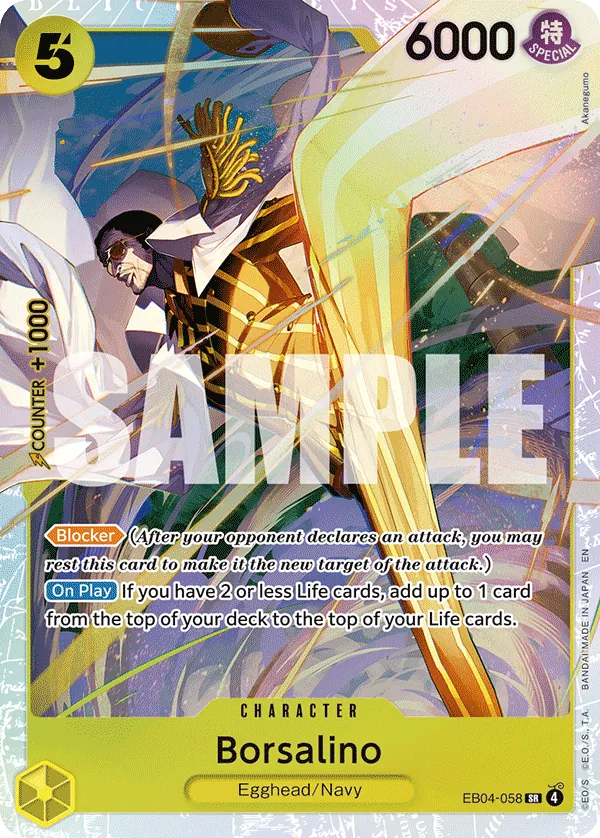
There’s also an active banned pair as of the April 10, 2026 restriction update: OP07-115 “I Re-Quasar Helllp!!” and EB04-058 “Borsalino” cannot be run in the same deck (this includes their parallel/alt-art printings) because the combination was dragging games out well past normal length. It’s a small rule, but it’s exactly the kind of thing that trips up a new player who copies an old decklist off Reddit without checking the date.

Practical takeaway: before you spend a dollar, confirm whether your local store runs Standard or Eternal, and don’t build around cards from OP-01–OP-04 assuming they’ll be tournament-legal — they won’t be, outside Eternal events.
Step 2: Pick a Leader You’ll Actually Enjoy Piloting
Your Leader locks in your deck’s colors, life total, and overall game plan, so this is the decision that matters most. Here’s an honest look at a few Leaders that are both currently strong (per community tier trackers like OnePiece.gg as of the OP16+ST30 Standard format) and reasonable for a first deck — plus the real downside of each.
Enel (OP15-058) — S-tier, but not a beginner-friendly build
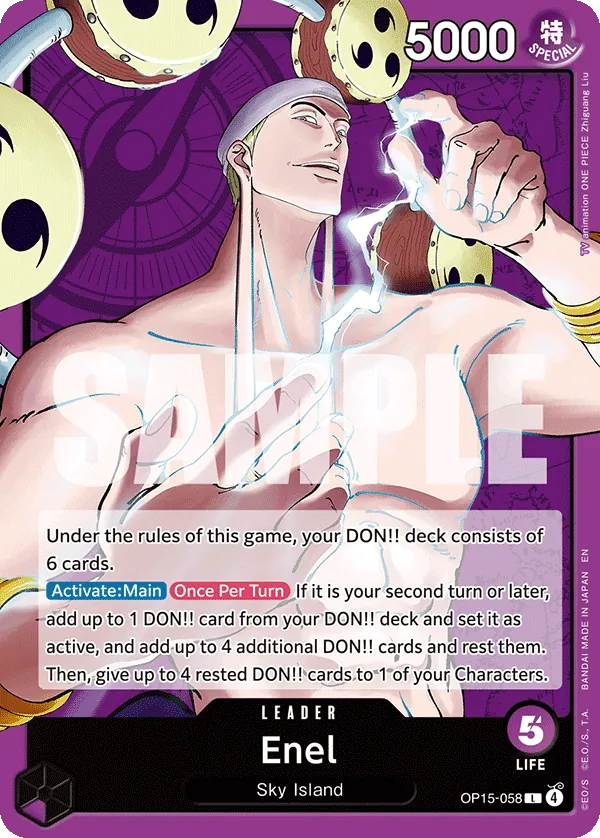
Enel is widely considered the best Leader in the current format: a purple aggressive/combo deck built around a unique rule where your DON!! deck is capped at 6 cards instead of the usual 10, in exchange for explosive tempo plays. The problem for a first-time builder is exactly that uniqueness — Enel’s whole deck is built around breaking the normal DON!! math, which means generic “how to build a curve” advice doesn’t map cleanly onto it, and it doesn’t come in any starter deck, so you’re buying singles or OP-15 boxes from the start. Great second or third deck; rough first deck.
Rosinante (OP12-061) — Purple/Yellow control, a genuinely good on-ramp
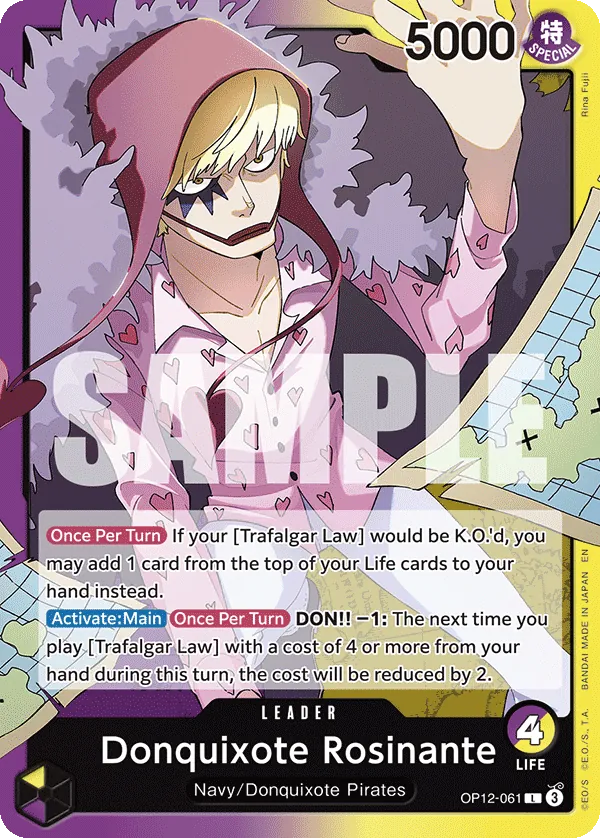
Rosinante leads a control/toolbox deck built around discounting and protecting Trafalgar Law cards, with strong Blockers and Navy searchers for consistency. It’s slower and more forgiving than Enel or the aggressive Luffy builds, which makes it easier to learn on, and — usefully for a beginner — its home set, OP-12 “Legacy of the Master,” is a normal booster box rather than a mechanically weird structure deck. The downside: it’s a control deck, so if you hate playing from behind and waiting for value to add up, this style will frustrate you regardless of its win rate.
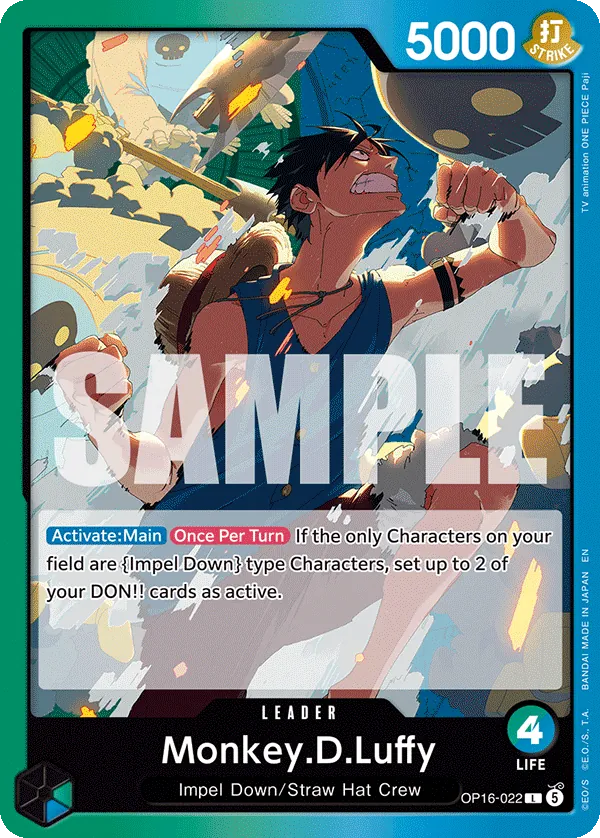
Monkey D. Luffy (OP16-022) — S-tier aggression, but genuinely swingy
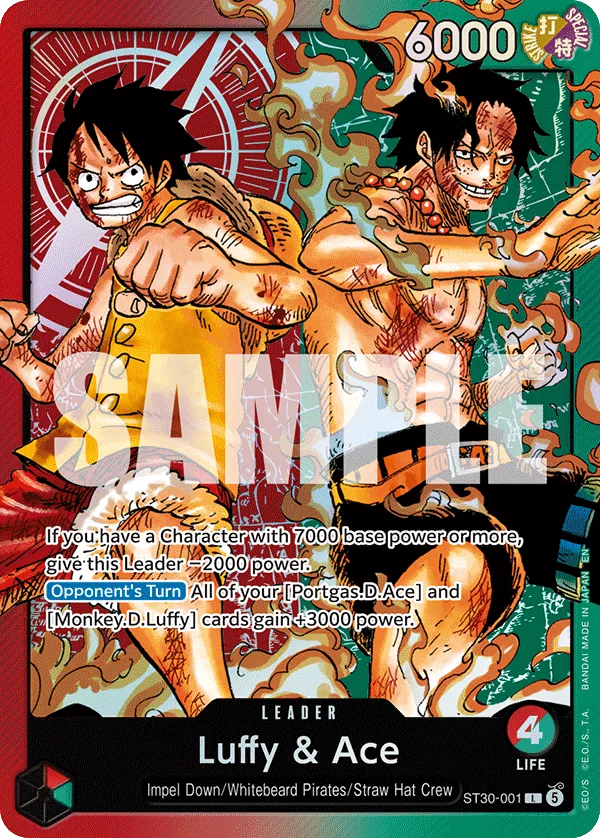
This Impel Down-era Luffy leads an aggressive board-flood strategy that restands Characters for a huge turn-ending attack. It’s currently one of the best decks in the format, but it’s also high-variance — if your explosive turn gets answered by a well-timed Blocker or event, you can find yourself with an empty board and no follow-up. Worth knowing too: Bandai has released three different Luffy Leaders in recent starter decks alone (ST-29’s Egghead Luffy, ST-30’s Luffy & Ace, and this OP16-022 Impel Down version), and only OP16-022 is the current S-tier build — don’t buy a Luffy starter deck assuming it’s the same card.
Nami (OP11-041) — Blue/Yellow value, a solid budget-conscious pick
Nami is a life-loss-triggered value engine that’s held a spot near the top of the English meta through much of 2026. It’s more forgiving on curve mistakes than Enel or Luffy since it wins through incremental card advantage rather than one big turn. The catch: OP-11 is getting older in Standard terms, so as newer sets release, Nami increasingly depends on later sets adding fresh support to stay relevant — a real risk for a deck you’re building to last more than a season or two.

Step 3: Build Around the “Golden Ratio,” Not a Copied Decklist
Every competitive One Piece Card Game deck — regardless of Leader — tends to land in roughly the same structural ranges inside its 50 main-deck cards:
| Card role | Typical count | Why |
|---|---|---|
| 2000-power Counter events | 10-12 | Your shields. You rarely play them proactively — you hold them to save Life during your opponent’s Counter Step. Current fast metas favor the higher end of this range. |
| Searchers (1-2 cost) | 4-8 | Cheap units that dig into your deck for consistency; more of these smooths out bad draws. |
| Blockers | 4-8 | Units with the [Blocker] keyword that can redirect an attack away from your Leader. |
| Boss/finisher cards | 2-4 | Your 6-10 cost payoffs that actually close games — you don’t want a hand full of these with no way to reach the DON!! to cast them. |
| Situational events | 0-6 | Removal, draw, or utility spells — useful, but overloading on events at the expense of board presence is a classic beginner mistake. |
The rule of thumb for consistency: run playsets (4 copies) of your most important cards rather than spreading your budget thin across singles of everything. A 50-card deck with 8-9 distinct playsets plus a handful of 1-2 ofs is far more consistent than one built from 25 different two-ofs.
Step 4: Core Card Types Every Deck Needs (Regardless of Color)
Beyond your Leader’s specific package, a competitive list generally needs all of the following, no matter which color you’re playing:
- Cheap, efficient blockers. A 2-3 cost Blocker with reasonable power buys you tempo against aggressive decks and is rarely a dead draw.
- On-curve DON!! acceleration or card draw at 1-2 cost. Getting ahead on resources in the first two turns compounds over a whole game.
- A real answer to opposing Leaders’ abilities. Whether that’s a KO event, a power swing counter, or a Blocker that eats a key attacker, every deck needs some way to interact rather than just racing.
- Enough Life-trigger-relevant cards if you’re in Yellow. Yellow decks lean on their Trigger step instead of stacking Counter events the way Red does, which changes how many raw 2k-counters you actually need.
The honest caveat here: card evaluation shifts every time a new set releases (OP-16 alone reshuffled several archetypes), so treat any specific staple list — including this one — as a snapshot, not gospel. Check recent Regional Top 8 decklists before finalizing a build.
Comparison: Beginner-Friendly Leaders at a Glance
| Leader | Colors | Archetype | Current tier (Standard, as of July 2026) | Comes in a Starter Deck? |
|---|---|---|---|---|
| Enel (OP15-058) | Purple | Aggro/combo, 6-DON rule | S | No — booster box/singles only |
| Rosinante (OP12-061) | Purple/Yellow | Control, Law package | A | No, but its home set is a normal booster box |
| Luffy (OP16-022) | Blue/Green | Aggro board-flood | S | No |
| Nami (OP11-041) | Blue/Yellow | Resource/value engine | A | No |
| Luffy & Ace (ST-30) | Red/Green | Aggressive midrange | Playable, not top-tier | Yes — ST-30 |
Not financial advice, and not a “meta guarantee” either — tier lists shift with every set, and secondary-market prices on chase Leaders (alt-art Enel, for example, has swung by 40%+ in a single month on some tracking sites) can move fast. Treat this table as a snapshot from mid-2026, not a permanent ranking.
Where to Buy Real Product for Your Build
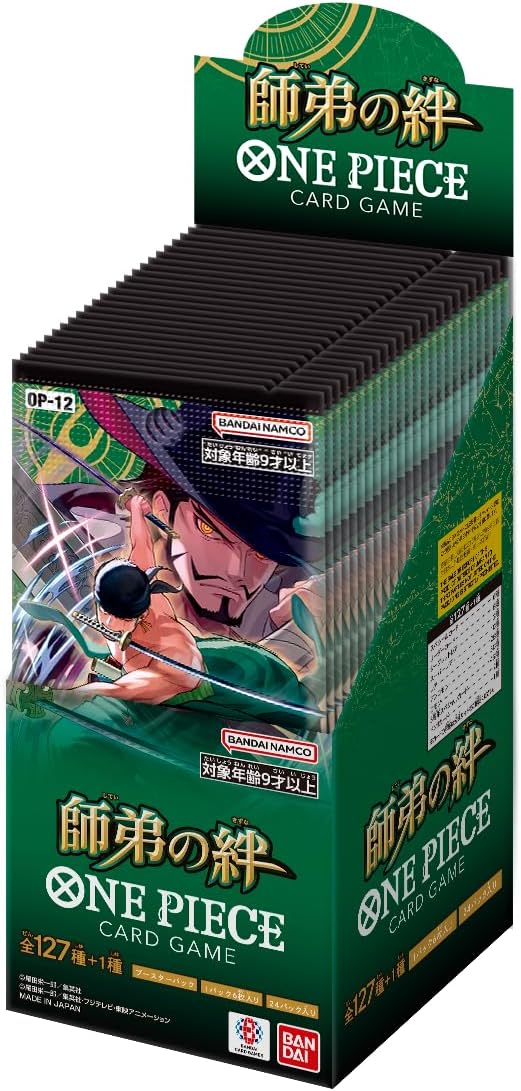
If you want to build around Rosinante specifically, BANDAI ONE PIECE Card Game “Bond Between Master and Disciple” (OP-12) Booster Box at Discovery Japan Mall is the actual set that Leader comes from — 24 packs of real Japanese-print product shipped internationally, currently listed around ¥13,392 (roughly $85-90 USD before shipping/customs, current as of this writing). Buying the box also gets you Silvers Rayleigh and Koala’s Leaders from the same release if you want to explore other OP-12 builds.

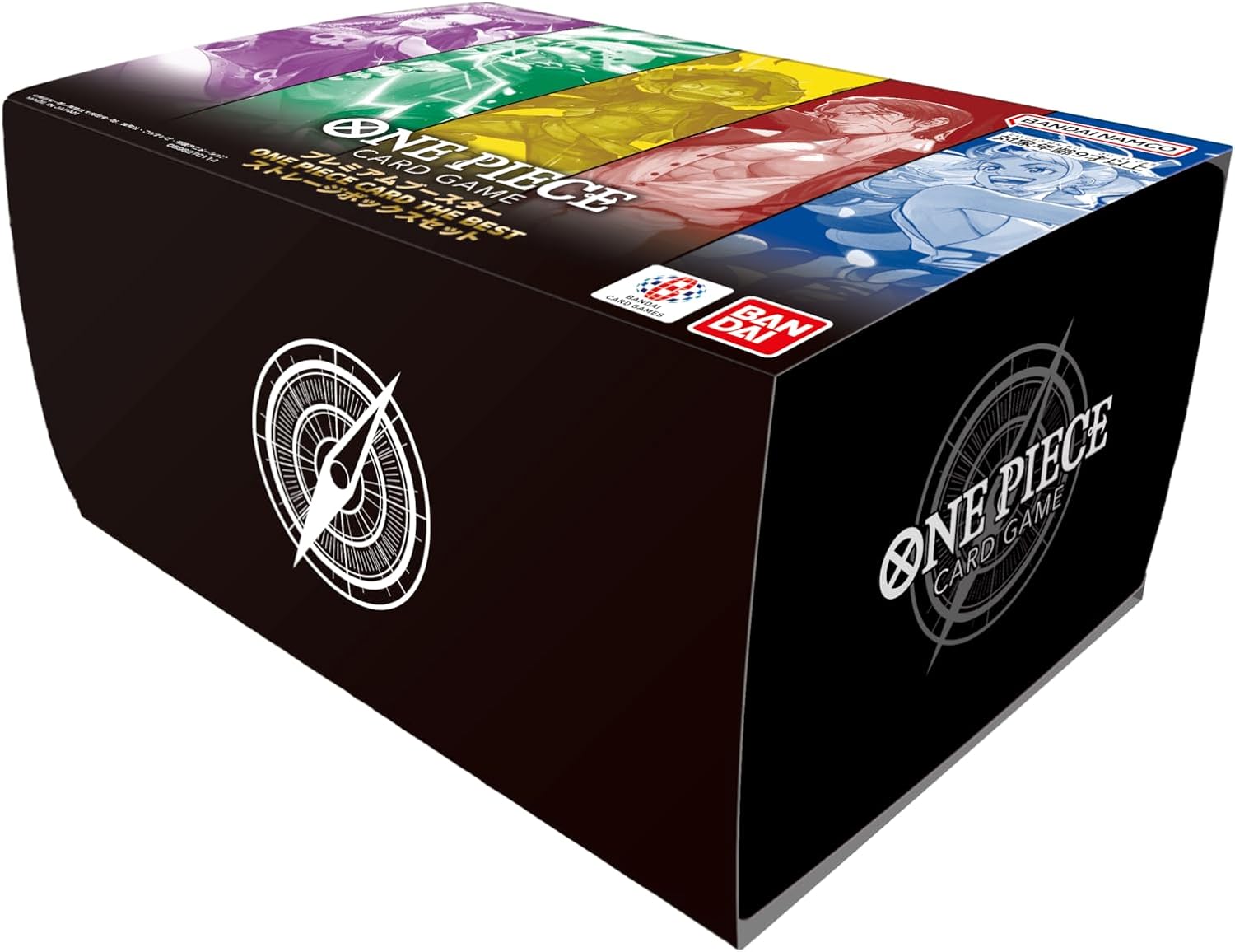
If you’d rather skip chase-rare gambling entirely and just fill out generic staples (counters, cheap Blockers, searchers) across colors, ONE PIECE CARD THE BEST (PRB-01) Premium Booster Box is a curated reprint set with no random rarity gamble on the staples themselves — useful for rounding out a curve without needing 4 copies of a chase SEC.

For a fun side pickup once your competitive shell is built, Extra Booster Anime 25th Collection (EB-02) Booster Box is a crossover-themed set worth opening for collecting purposes, though it’s not the set to build your first competitive deck around — treat it as a bonus, not a foundation.

At the time of writing, Discovery Japan Mall’s One Piece Card Game catalog didn’t have OP-15, OP-16, or the newer ST-29 through ST-36 starter decks in stock (their catalog rotates several times a day, so that can change) — if you specifically need Enel or OP16-022 Luffy product, check a dedicated OP singles retailer or your local game store in the meantime, and buy loose singles from a seller with graded/authenticated feedback to avoid counterfeit risk, which is a real problem with ultra-cheap “too good to be true” singles listings online.
Prices and market listings above are current as of August 2026 and will drift — this isn’t financial advice, and secondary-market card values are not guaranteed to hold or appreciate.
FAQ
Q: What’s the best first Leader for a beginner who wants to be competitive, not just casual?
A: Rosinante (OP12-061) is a reasonable balance of “actually strong” and “forgiving to learn on” — it’s control-oriented so mistakes are less punishing than with a fast aggro Leader, and its home set (OP-12) is a normal booster box rather than a mechanically unusual structure deck like Enel’s.
Q: Do I need to buy booster boxes to build a competitive deck?
A: No — buying singles of exactly the cards your decklist needs is usually cheaper and faster than opening boxes hoping for specific pulls, especially for non-rare staples like Commons and Uncommons that make up most of a 50-card deck. Save box-breaking for chase Leaders/SECs you specifically want to pull, or for the fun of collecting.
Q: How many cards go in a One Piece Card Game deck?
A: One Leader card, exactly 50 cards in your main deck (up to 4 copies of any single card number), and a separate 10-card DON!! deck (Enel’s deck is a documented exception at 6 DON!!).
Q: Is my deck still legal if it uses OP-01 through OP-04 cards?
A: Not in Standard-format events as of the April 2026 rotation — those sets are Eternal-only now. Check with your local store on which format they run before building around older cards.
Q: Where can I safely buy real Japanese One Piece Card Game product from overseas?
A: Stick to established importers with buyer protection and clear stock listings — Discovery Japan Mall is one option that ships real Japanese-print product internationally — and be cautious of loose singles sold far below market price on marketplaces with no seller history, which is a common vector for counterfeits.
Takeaway
You don’t need to guess your way into a competitive One Piece Card Game deck, and you definitely don’t need to buy a full booster case to get there. Pick a Leader whose playstyle fits you, build to the 10-12 counter / 4-8 blocker / 4-8 searcher / 2-4 finisher ratio as a starting template, and fill in staples with singles or a curated set like PRB-01 before you start chasing chase rares. If you’re still deciding whether to play at all, our beginner’s guide to starting One Piece Card Game covers the basic rules and rarities, and our OP-16 “The Time of Battle” set review breaks down the newest Leaders and best pulls from the current Standard format in more depth.
Related Articles
More Trading Card Game Guides
- How to Build a Competitive Fusion World Deck (2026) (Dragon Ball Super Card Game)
- How to Build Your First Standard Pokémon TCG Deck (Pokémon TCG)
- Is NARUTO CARD GAME Worth It for Competitive Players? (Naruto Card Game)

Comments